FIBRE
The Underrated Nutrient
When it comes to fibre, it seems many of us aren’t hitting the recommended 25-30g per day. It has so many health benefits such as improved digestion & gut health, improved blood sugar control, managing weight, and the positive effect it has on our heart health.
The focus really seems to be on protein intake at the moment especially with social media and large food producers. I suppose bowel movements and roughage just doesn’t have the same appeal!
Read on for some tips and tricks on how we can easily increase our intake of fibre and discover the different types of fibres and their benefits.
Types of Fibre
Insoluble Fibre
Insoluble fibre doesn’t dissolve in water and it’s normally found in the skin of fruit & veg, the husks of the grains, and the outer layers of legumes. It absorbs water and adds bulk to your stool. This helps to promote regular movements and helps your body to eliminate waste from the gut.
Some examples of insoluble fibre in your diet include:
- Potato Skins – See my recipe below for crispy air fryer potato skins.
- Apple skins
- Bran & whole grains
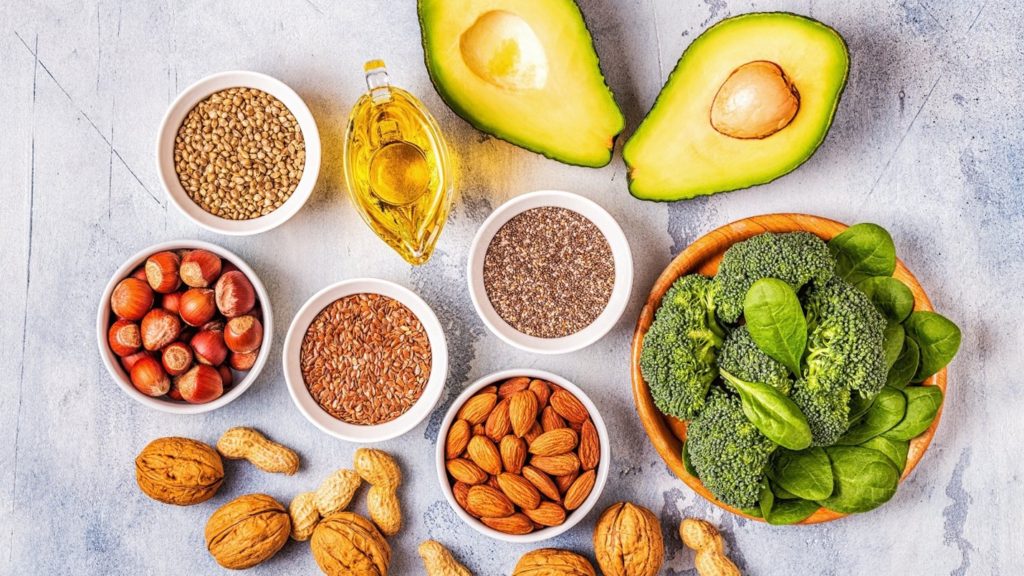
- Nuts & seeds
- The outer layer of beans and lentils.
By regularly eating these foods, you will prevent constipation and help promote a healthy digestive system.
Soluble Fibre
Soluble fibre dissolves in water and turns into a gel-like substance. This type of fibre feeds the microbes in our gut, it helps to slow down the absorption of sugars and carbs in the small intestines, which can help our bodies control our blood sugar levels. You may also know that soluble fibre has been shown to reduce cholesterol, as part of a healthy diet.
Lets look at some examples of soluble fibre in our diet:
- Oats – See my recipe for Raspberry and vanilla Baked Oats
- Beans & lentils
- Fruits
- Dried fruits
- Root vegetables, such as carrots, turnip, pumpkin
- Chia & flaxseeds (small but mighty)
How to boost your fibre intake
Increasing the variety of plant-based foods in your diet will really help increase your fibre intake while having a fabulously positive affect on your gut microbiome, which in turn will have a great affect on all other areas of your body & mind. Remember to increase fibre slowly in your diet or it will have the oppositive affect and cause constipation. When increasing your fibre, always increase your water intake too.
Keep things simple, don’t make it a chore, just some simple additions to every meal will have a lasting positive impact on your health. My mantra with good nutrition is always: What can I add to my plate to improve this meal for my body & mind? Here are some simple ideas to up your fibre intake:
- Add a mix of seeds to every meal; flax to your porridge or yoghurt, pumpkin to your salads, sunflower seeds to your stir fry. I always keep a jar of mixed seeds on hand to sprinkle over everything.
- Try to add lentils or beans to meat-based dishes such as bolognaise or curries, salads and stews.
- Swap your whites for wholegrains, such as rice, pasta. Use quinoa where you can.
- Snack on fruit, berries and nuts.
- Add lots of spices and herbs to your dishes such as garlic, ginger, onions. These all contain fibre as well as other health benefits.
- Did you know dark chocolate & coffee also contain fibre and can add to your 30g per day.
Check out my Instagram @catherineryannutrition for more healthy recipes and easy ways to increase fibre in your diet.
Set yourself a challenge over the next 30 days to try to increase your fibre intake. Remember small and steady wins the race. Small conscious changes daily can really improve your overall health.
Get in touch with me if you would like help on increasing fibre in your diet.