
Autumn….the year’s last loveliest smile – William Cullen Bryant

Staying healthy in November: What to Eat, Drink & Supplement

As the evenings draw in and the rain seems never-ending, November in Ireland can be a tough month for energy and immunity. The days are shorter, temperatures drop, and we spend more time indoors — all of which can take a toll on our health. But with the right seasonal foods, hydration habits, and a few smart supplements, you can keep your body (and mood) in great shape through the darker weeks.

Eat Seasonal & Local Where Possible

Ireland’s November harvest offers a surprising amount of nourishing produce that supports immunity and warmth. Choose foods that are rich in fibre, antioxidants, and vitamins.

In Season This Month:

  • Root vegetables: Carrots, parsnips, turnips, swedes, beetroot, and celeriac — perfect for soups, stews, and roasts.

  • Leafy greens: Kale, cabbage, spinach, and Brussels sprouts — packed with vitamin C and K.

  • Apples & pears: Irish-grown varieties are still available, great for gut health and natural sweetness.

  • Onions, leeks & garlic: Naturally antibacterial and anti-inflammatory — ideal for warding off colds.

Tip: Make hearty vegetable soups with lentils or barley. The slow release of energy helps keep you full and warm through the day. Keep an eye on my Instagram page for lots of tasty recipes.

What to Drink

Hydration often drops in colder weather because we don’t feel as thirsty, but staying hydrated is crucial for your immune system and energy.

Best Drinks for November Health:

  • Warm lemon water in the morning boosts vitamin C and digestion.

  • Herbal teas like ginger, echinacea, chamomile, or peppermint can support immunity and calm the nervous system.

  • Bone broth or vegetable stock — rich in minerals and collagen for joint and gut health.

  • Limit caffeine and alcohol, both of which can dehydrate you and affect sleep quality.

Key Supplements for Irish Winters

With limited sunlight and colder weather, certain nutrients are harder to get naturally at this time of year. Consider these, especially if you spend most of your days indoors:

  • Vitamin D3 – Essential from October to March in Ireland. Helps with immunity, bone strength, and mood regulation.

  • Omega-3 (Fish Oil or Algae Oil) – Supports brain function, reduces inflammation, and combats low mood.

  • Vitamin C & Zinc – A powerful duo for preventing colds and supporting immune health.

  • Probiotics – A healthy gut supports a strong immune system. Fermented foods like kefir, sauerkraut, and natural yogurt also help.

  • Magnesium – Helps with sleep, muscle recovery, and stress management — common issues in darker months.

Always consult your GP or pharmacist before starting new supplements, especially if you’re on medication or have a health condition.

Lifestyle Boosters for November Wellbeing

  • Get daylight daily: Even 20 minutes outdoors at midday can boost mood and vitamin D synthesis.

  • Move your body: Brisk walks, home workouts, or yoga can help combat sluggishness.

  • Rest well: Longer nights are an invitation to improve your sleep routine.

  • Stay social: Don’t let the weather isolate you — connect over coffee, walks, or community events.

November in Ireland doesn’t have to mean feeling run down or low-energy. By focusing on warming seasonal foods, hydrating well, and topping up with key nutrients like vitamin D and omega-3, you can stay healthy, resilient, and positive all winter long.  And remember short dark evenings are the perfect excuse for staying in by the fire!
Fibre – The Underrated Nutrient

FIBRE

The Underrated Nutrient

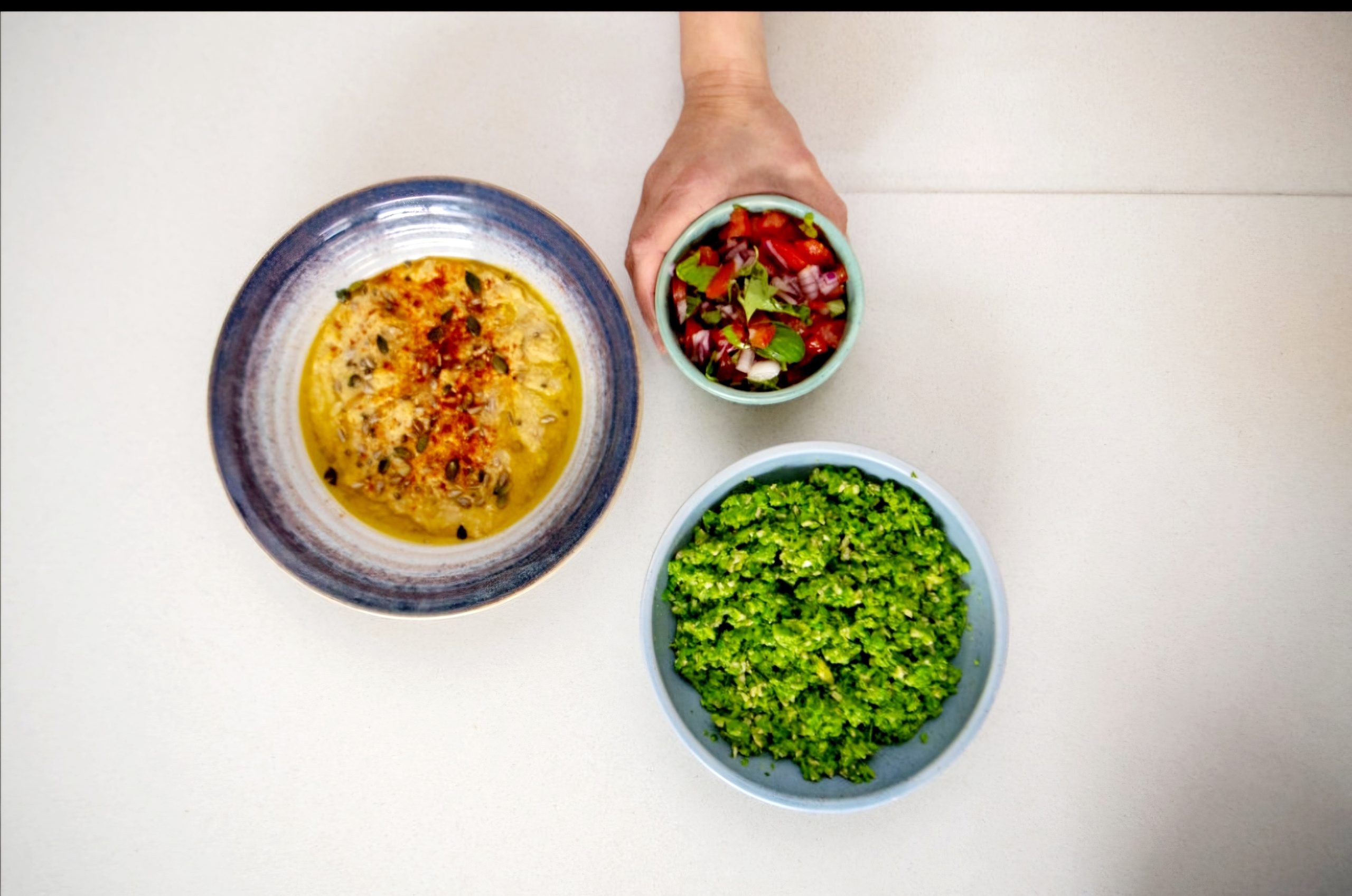
When it comes to fibre, it seems many of us aren’t hitting the recommended 25-30g per day.  It has so many health benefits such as improved digestion & gut health, improved blood sugar control, managing weight, and the positive effect it has on our heart health.

The focus really seems to be on protein intake at the moment especially with social media and large food producers.  I suppose bowel movements and roughage just doesn’t have the same appeal!

Read on for some tips and tricks on how we can easily increase our intake of fibre and discover the different types of fibres and their benefits.

Types of Fibre

Insoluble Fibre

Insoluble fibre doesn’t dissolve in water and it’s normally found in the skin of fruit & veg, the husks of the grains, and the outer layers of legumes.  It absorbs water and adds bulk to your stool.  This helps to promote regular movements and helps your body to eliminate waste from the gut.

Some examples of insoluble fibre in your diet include:

  • Potato Skins – See my recipe below for crispy air fryer potato skins.
  • Apple skins
  • Bran & whole grains
  • Nuts & seeds
  • The outer layer of beans and lentils.

By regularly eating these foods, you will prevent constipation and help promote a healthy digestive system.

Soluble Fibre

Soluble fibre dissolves in water and turns into a gel-like substance.  This type of fibre feeds the microbes in our gut, it helps to slow down the absorption of sugars and carbs in the small intestines, which can help our bodies control our blood sugar levels. You may also know that soluble fibre has been shown to reduce cholesterol, as part of a healthy diet.

Lets look at some examples of soluble fibre in our diet:

  • Oats – See my recipe for Raspberry and vanilla Baked Oats
  • Beans & lentils
  • Fruits
  • Dried fruits
  • Root vegetables, such as carrots, turnip, pumpkin
  • Chia & flaxseeds (small but mighty)

How to boost your fibre intake

Increasing the variety of plant-based foods in your diet will really help increase your fibre intake while having a fabulously positive affect on your gut microbiome, which in turn will have a great affect on all other areas of your body & mind. Remember to increase fibre slowly in your diet or it will have the oppositive affect and cause constipation.  When increasing your fibre, always increase your water intake too.

Keep things simple, don’t make it a chore, just some simple additions to every meal will have a lasting positive impact on your health.  My mantra with good nutrition is always: What can I add to my plate to improve this meal for my body & mind?  Here are some simple ideas to up your fibre intake:

  • Add a mix of seeds to every meal; flax to your porridge or yoghurt, pumpkin to your salads, sunflower seeds to your stir fry. I always keep a jar of mixed seeds on hand to sprinkle over everything.
  • Try to add lentils or beans to meat-based dishes such as bolognaise or curries, salads and stews.
  • Swap your whites for wholegrains, such as rice, pasta. Use quinoa where you can.
  • Snack on fruit, berries and nuts.
  • Add lots of spices and herbs to your dishes such as garlic, ginger, onions. These all contain fibre as well as other health benefits.
  • Did you know dark chocolate & coffee also contain fibre and can add to your 30g per day.

Check out my Instagram @catherineryannutrition for more healthy recipes and easy ways to increase fibre in your diet.

Set yourself a challenge over the next 30 days to try to increase your fibre intake.  Remember small and steady wins the race.  Small conscious changes daily can really improve your overall health.

Get in touch with me if you would like help on increasing fibre in your diet.